A Mission – making it possible


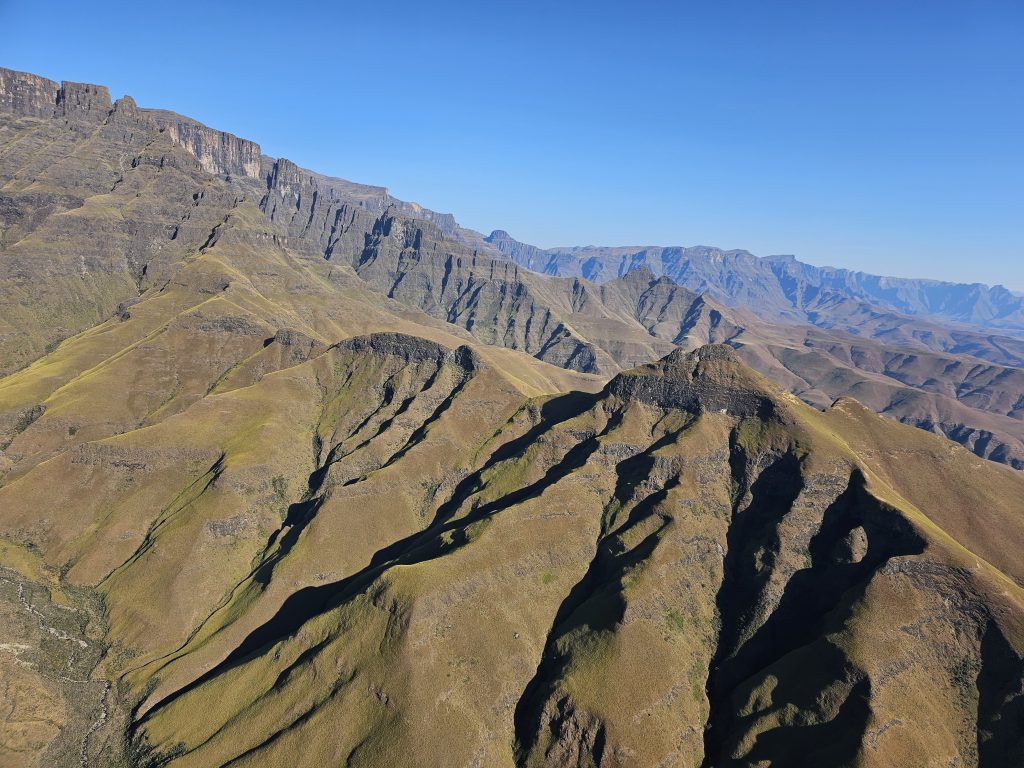
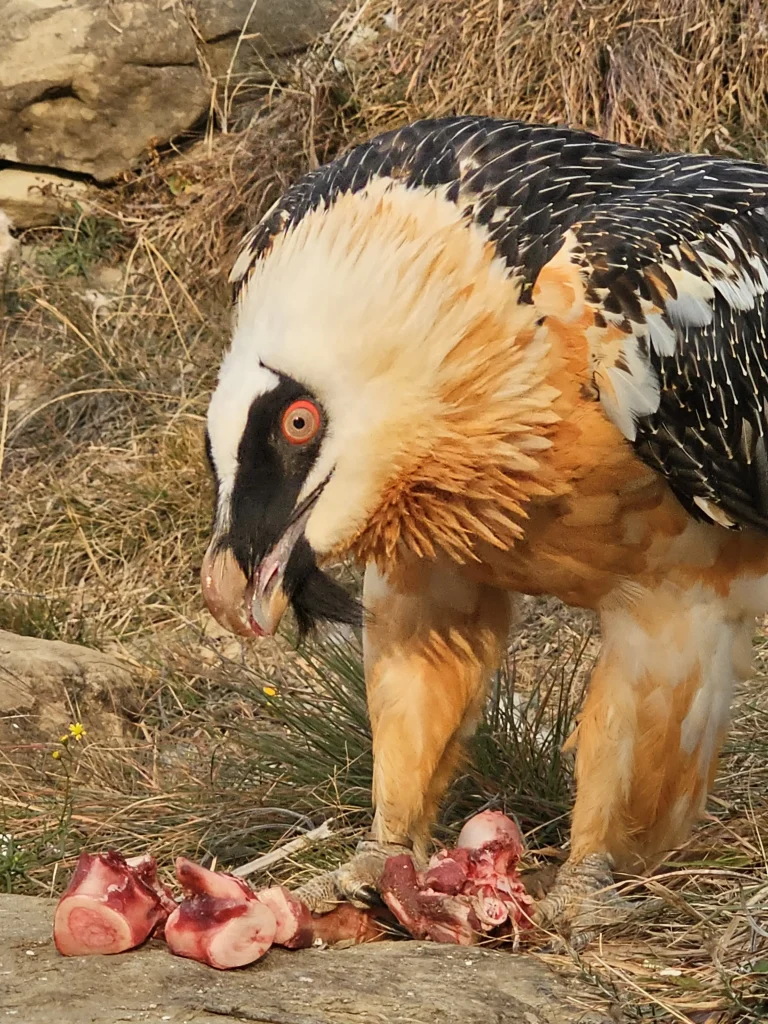
Bred 4 the Wild is a cross-border, cross-cultural conservation programme of people standing together to prevent the extinction of the magnificent Bearded Vulture. The last remnant group of this iconic scavenger lives high up in the Maloti-Drakensberg mountains that serrate the border between South Africa and Lesotho. Over recent decades the population has declined by at least 30%, with less than 350 birds now left in the wild. IUCN recommendation that when a species drops below 1000 wild individuals, captive conservation measures should be considered to ensure their survival. Bred 4 the Wild Bearded Vulture Breeding Programme is such a proactive initiative.

In 2022 the IUCN’s Species Survival Commission conducted a Population Viability Analysis for our critically endangered Bearded Vulture. The baseline model indicated that at the current rate of decline our wild population in southern Africa would drop to 62 birds (20 breeding pairs) in 50 years. Testing various conservation actions, it was concluded that to prevent species extinction, the Bearded Vulture Breeding Programme must build a captive flock as a genetic reservoir and release 6 chicks a year to supplement the dwindling in-situ population

GENTIC DIVERSITY

Maintain > 90% of species genetic diversity

SUPPLEMENTATION

Produce > 6 chicks per annum to release into the wild.

Species Survival Commission identified targets:   Ex situ Recommendations


There is a critical and urgent need for an ex-situ (captive) population to support the recovery of the Bearded Vulture in the wild.

  1. To effectively support the recovery of the wild population a minimum of 32 birds are required in the captive population. This can be achieved by harvesting 6 eggs per annum for the next 3 years, and thereafter between 2 and 4 eggs every 4 years to maintain an appropriate age structure and genetic diversity.
  2. Should an increase in productivity in situ of 5% not be achieved, then the ex-situ population needs to be increased to 42 birds, which would allow for increased supplementation back into the wild.

The captive breeding programme is to start releasing birds by approx. 2026

Specialist Breeding Station

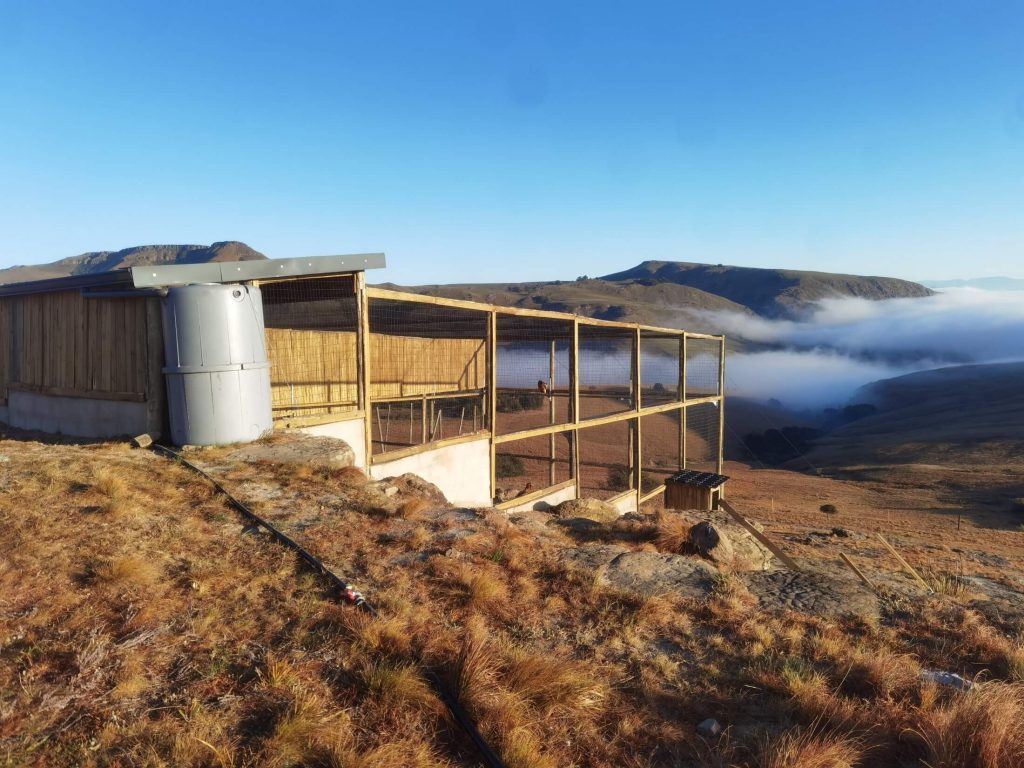
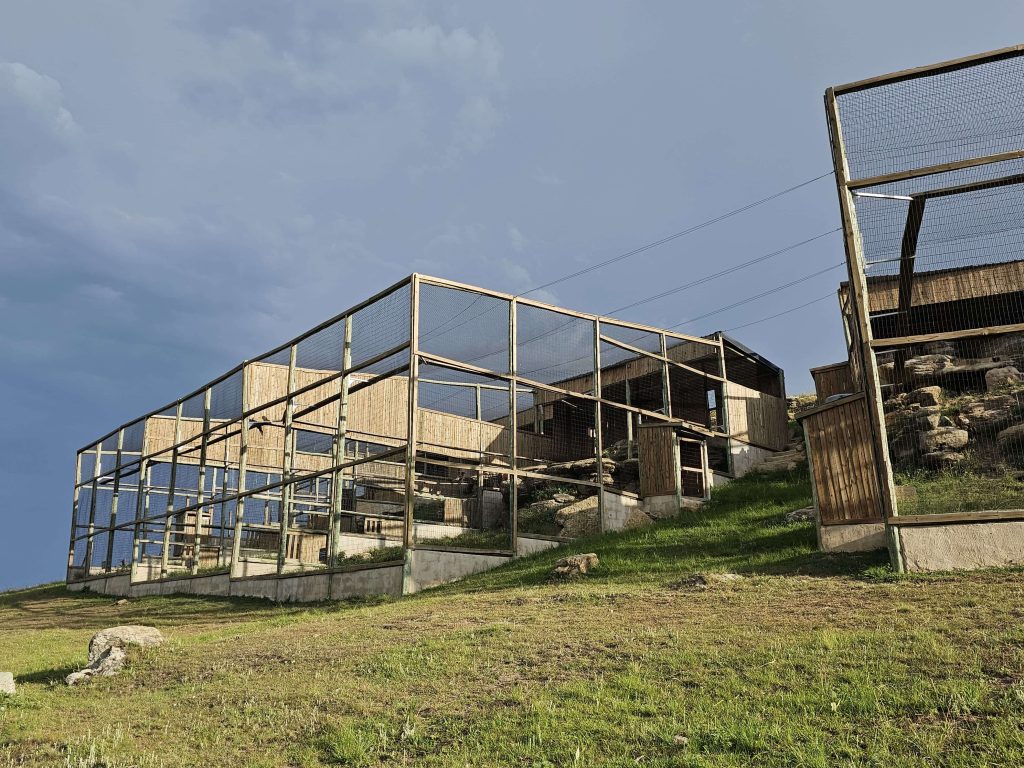
A dedicated breeding station has been established near the mountain village of Underberg within the species natural Maloti-Drakensberg home range.  Here, in natural climatic conditions, enclosures are being constructed into natural cliff faces to receive the maturing birds and to create micro-habitats for optimum breeding potential. The Breeding Programme currently holds 26 birds and ex-situ expansion target is to reach the 32-bird target in the year 2026.

The footprint of this establishment will ultimately include enclosures and the support infrastructure for these 16 breeding pairs. This is the size of the required founder population and genetic reserve as determined by an IUCN species conservation plan (completed in 2022) to fulfil the requirement of in-situ population supplementation.

This 6ha donated property leasehold is being made available by the Williamson-Storah farming family to ensure programme continuity and safety of the birds. Breeding enclosures are 18m x 9m in size and will comprise of a structural shell built into the natural cliff-face to give the long-term captive inhabitants the best quality of life possible The rearing enclosure, containing two nest potholes to raise harvested chicks is in use annually.

Support infrastructure will ultimately include a food preperation and incubation room, workshop, sickbay, office war-room and two staff cottages. Water for the enclosures is gravity fed from a local spring and the power supply will need to be solar energy. Both power and support infrastructure are priority requirements in this year of writing, 2025.

UPDATE

PRIORITY PROJECTS

SUPPORT BUILDINGS

R560 000

Food room, Office, Incubation Room, Workshop/Store, Hospital Enclosure

ESTIMATED BUDGET

DOUBLE BREEDING CHAMBERS

R450 000

To facilitate the pairing of birds and founder population expansion

PER UNIT

POWER AND SURVEILANCE REQUIREMENTS

R390 000 +

Solar Energy installation at the breeding station and enclosure camera monitoring system

MODULAR INCREMENTS AS REQUIRED