Their Mountain Home


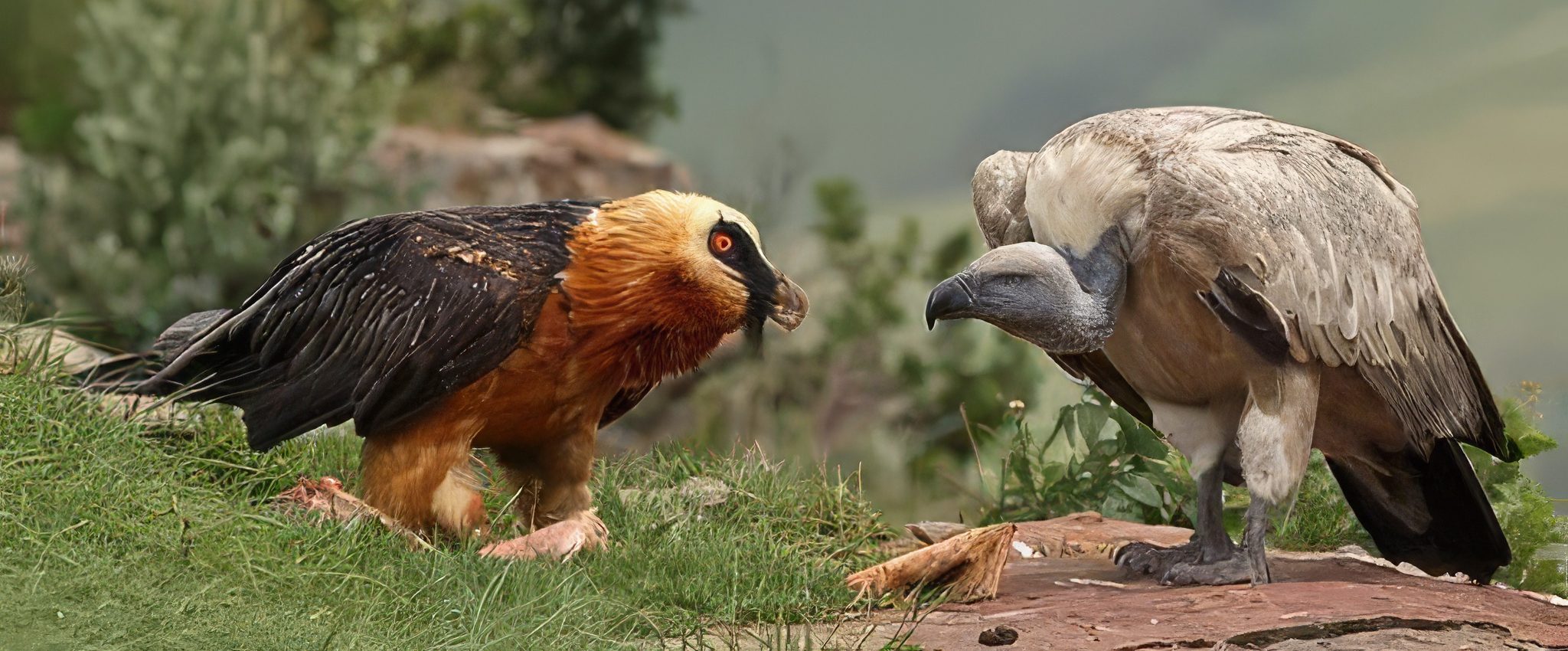
Although once occurring down the mountainous spine of Africa, the last remnant group of this magnificent bird now lives high up in the Maloti-Drakensberg mountains that serrate the border between South Africa and Lesotho. Over the past few decades this wild population has declined by at least 30%, until it is estimated that less than 350 birds remain. Our subspecies of Bearded vulture is genetically distinct and geographically isolated and therefore requires specific management and protection on its own merit to guard against extinction.

The Bearded vulture is the flagship species of this mountain range, a transnational site composed of formally protected areas in both South Africa and Lesotho. It is recognised as a RAMSAR site, Important Bird Area, and UNESCO World Heritage Site. This unique mountainous landscape is a high montane grassland with no forestation, and the site’s diversity protects more than 250 endemic plant species and other endangered animal species such as the Cape vulture and Maloti minnow. Ezemvelo KZN Wildlife and the Lesotho Ministry of Tourism, Environment and Culture are responsible for the management of their respective parks; surrounding the protected areas are various tribal authorities, private landowners and farmers. As the Bearded Vulture Breeding Programme, we work alongside these organizations and with the people living in this mountainous region.

Biology Basics

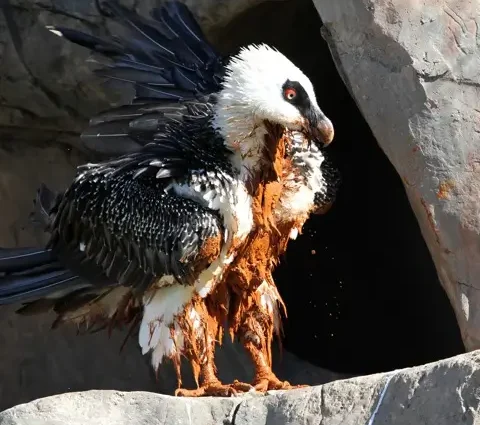
Basic Biology Mudbath
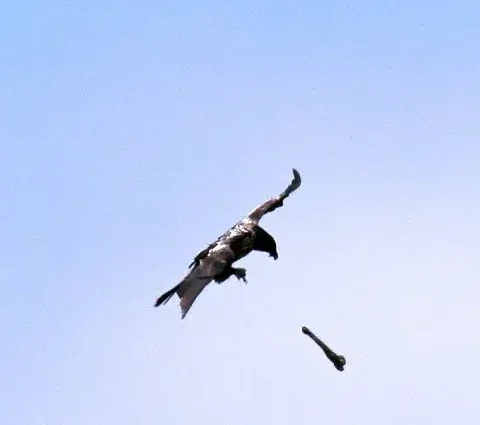
Basic Bio - Bone dropping

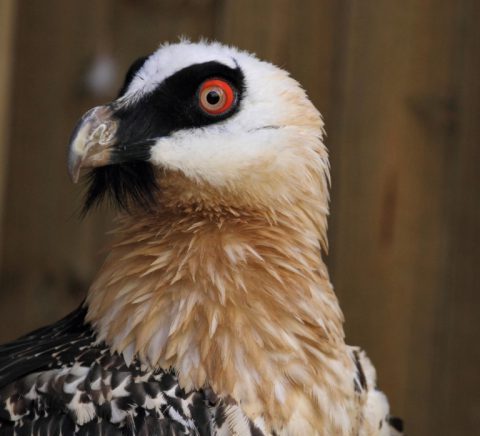
Bearded vultures (Gypaetus barbatus meridonalis) are large and highly specialized birds of prey, unique in both behaviour and adaptation. Looking more like eagles than vultures, they have a distinctive black ‘highwayman’ mask and a beard of stiff, hair-like feathers under the chin, from which they get their name.

They live in the extreme habitat of high-altitude mountain cliffs and breed only once a year in winter in potholes weathered by wind, rain and time. Breeding pairs normally lay two eggs, but only ever raise a single chick. In this behaviour called cainism (from the Old Testament story of Cain and Abel), the older sibling out-competes the younger one within a couple of days of hatching.

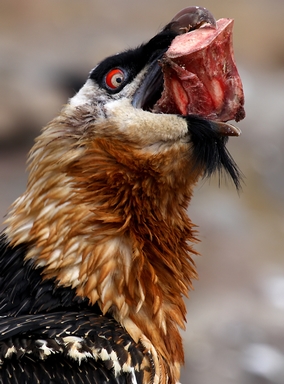
Their lifestyle is completely non-invasive to humans, as they are the only bird in the world to live on the unlikely diet of bones. These bones are swallowed whole or, if too large, are dropped from the air onto flat rock surfaces to smash open and access the nutritious marrow within.

Another fascinating behaviour is that they ‘mud bath’. This stains their breast feathers to an iron-oxide rich ochre colour and can even turn their large white eggs golden.

Nestflix

Click to go to a live camera feed of a wild bearded vulture nest
BEARDED VULTURE RECOVERY PROGRAMME

Bearded Vulture Breeding Season

To watch live footage from a wild Bearded Vulture nest in the Drakensberg mountains of South Africa, press the link below.

WHEN BREEDING ACTIVITY OCCURS

  • Nest building in May
  • Female lays eggs in June
  • Eggs hatch end of July/August
  • Chick is raised until end of November
  • Fledgling first flights Nov/Dec

NESTFLIX – YOUTUBE

Threats


Bearded Vultures soar for hours looking for their favourite food, but multiple factors threaten them. They collide with, or get electrocuted by, powerlines. They are highly susceptible to poisoning: both from lead and from mistakenly ingesting poisoned bait put out for jackal control. Their body parts are used in the traditional medicine (muthi) industry. Proposed wind-farm turbines in the high mountain areas also pose risks to flying birds using the same wind corridors.

Aviculture


Our aviculture requirement is to create a genetic reserve and foundation group of breeding birds, preserving the species against the risk of habitat destruction and natural disaster. The IUCN advises that when a threatened species drops below 1000 individuals, captive breeding should be initiated. There are thought to be fewer than 350 Bearded vultures remaining in the wild.

At present Bred 4 the Wild is the only custodian worldwide of this sub-species. Another ‘global first’ is that we incorporate an essential combination of three established management principles for raising the harvested chicks, namely

  1. Puppet Feeding
  2. Restricted Social Raising
  3. Visual exposure to a Surrogate Adult


AVI-CUL-TURE

The broad definition of aviculture is the practice of keeping and breeding wild birds (class Aves) in captivity (ex-situ) using controlled conditions for a predetermined purpose. This could be a hobby, business, research, or formal conservation.

Avicultural practices also encourage conservation, public awareness, and provide base research on avian behaviour.

Simulation of natural conditions is therefore a necessary goal, allowing the study of mating and breeding behaviour that may not be easily observed in the wild. As a result of such studies, a number of species, rare or endangered in the wild, have been kept from extinction by captive breeding.

The Californian Condor in North America and the European Bearded Vulture are two such examples.

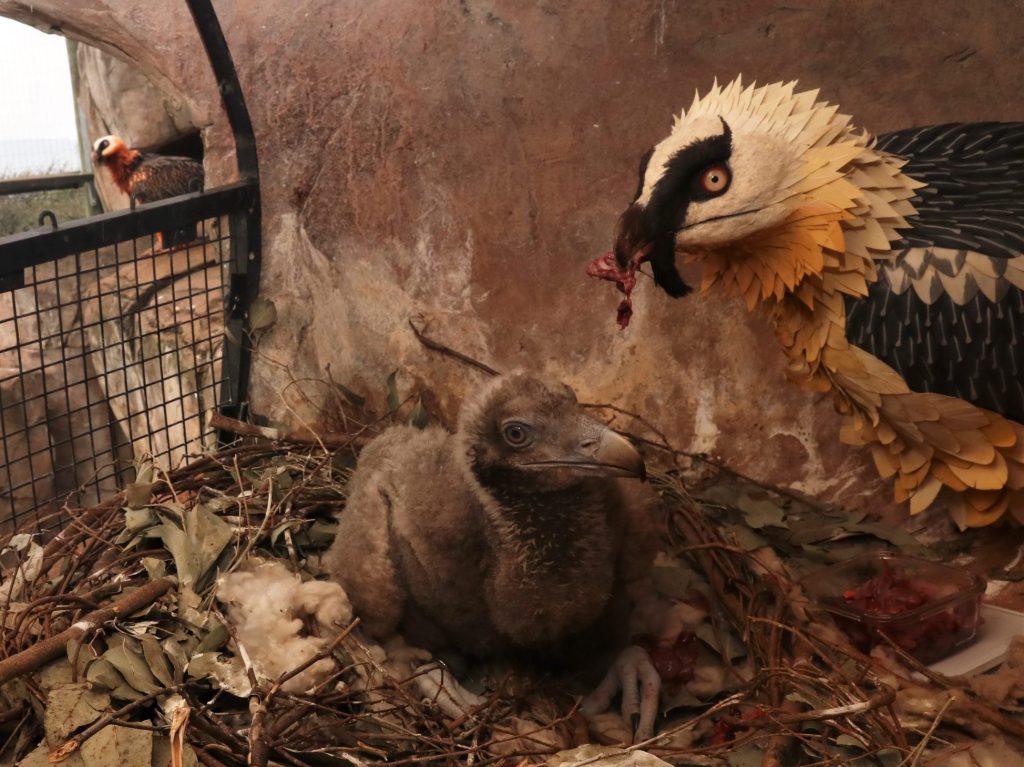
PUPPET FEEDING

SOCIAL RAISING

SURROGATE PARENT

With only a single captive bearded vulture specimen in captivity we needed to find a way to establish a founder group of viable breeding stock without parent birds. In the wild Bearded vultures lay two eggs annually but only raise a single chick. Understanding this behaviour called cainism, where the older sibling out-competes the younger on the nest platform within a couple of days of hatching, permission was sort to carefully harvest and raise the biologically redundant eggs in captivity.

Strict harvesting procedures have allowed us to acquire a foundation population with little to no effect on the overall productivity of the wild population. While carefully caring for each chick, it is imperative that minimum handler interaction is maintained to prevent imprinting on humans. This understanding—that they are Bearded Vultures and not humans—is essential for later breeding success.


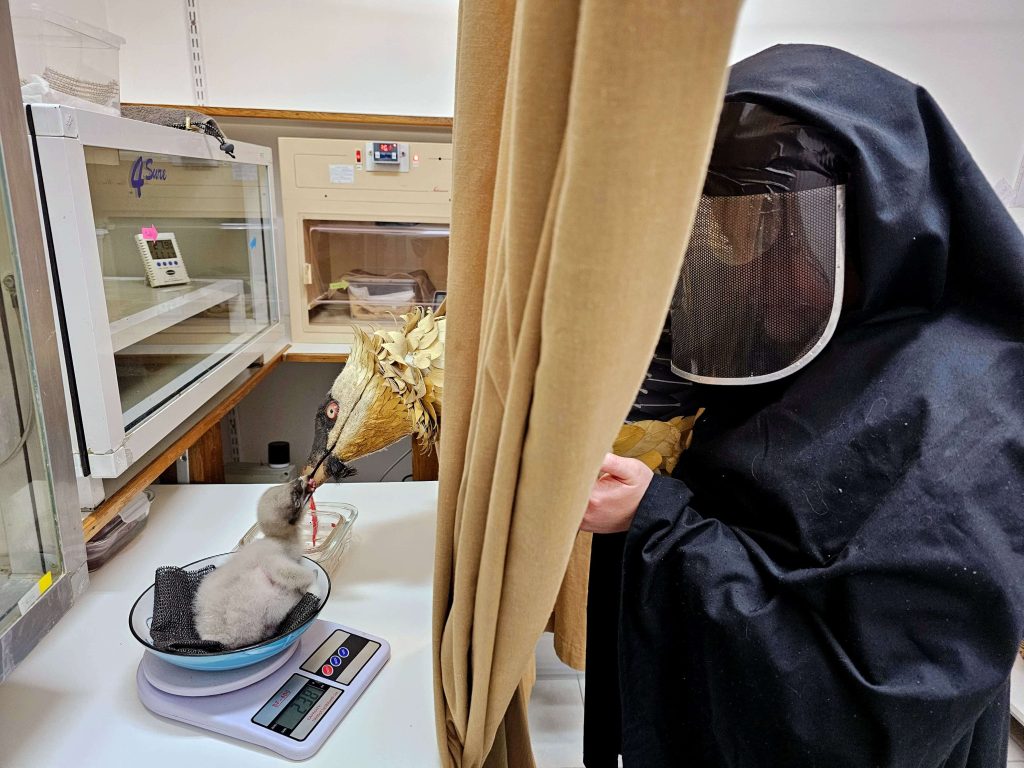
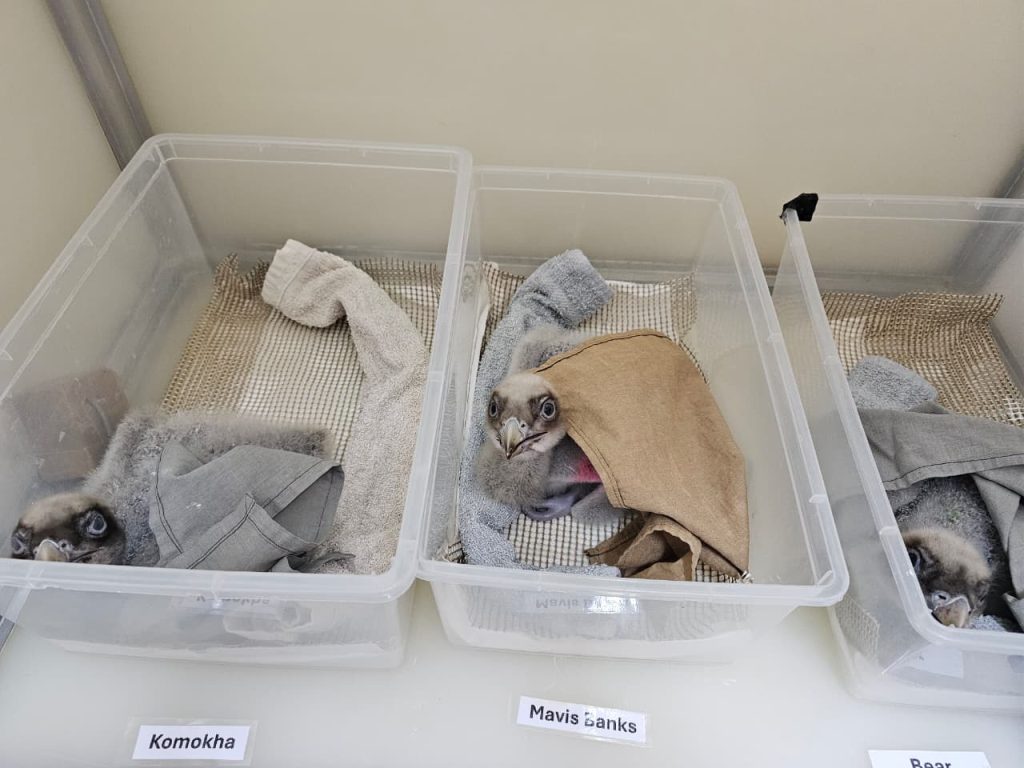
A masterfully made puppet is used behind screens as an interface between hand-raisers and the birds to feed young chicks. ‘Hardwired’ to kill each other mutiple chicks are raised together so that they can hear and see each other but not physically reach and hurt one another. Once they can thermoregulate (after 20 days of age), they are moved to a sheltered and carefully constructed nest-pothole in a rearing enclosure where they can still see each other and also an adult bird through safety barriers. This visual surrogate positively influences the chicks while remaining physically separated. When the chicks fledge and learn to use their wings, they can then interact together and further learn from the surrogate.

EUROPEAN VULTURE CONSERVATION FOUNDATION

The VCF have bred and released more of the northern sub-species than we have left in the wild. Their breeding manager, Dr Alex Llopis-Dell, sits on the BVBP Steering Committee to guide our efforts, in areas where they have experience.

CALIFORNIAN CONDOR RECOVERY PROGRAM

LA Zoo is a primary facilitator of this long-term program and have for the last three years sent representative Chandra David to offer expert assistance during our harvest and hatch period.