


What is a Red Data Book?
The Red Data Book is a comprehensive record that catalogs and evaluates endangered plant and animal species. It serves as a crucial tool in the conservation of biodiversity by providing valuable information about the status, distribution, and threats faced by these vulnerable species. The Red Data Book is essentially a compiled list or database that classifies different species based on their level of endangerment. It is a vital resource for scientists, conservationists, policymakers, and anyone passionate about protecting our planet’s diverse flora and fauna.
A Brief History of Red Data Book
The concept of the Red Data Book can be traced back to the mid-20th century. It originated in the United Kingdom with the publication of the first edition of the British Red Data Book in 1964. This influential publication set a precedent for similar initiatives worldwide and established a standardized approach to assessing species’ conservation status. Since then, numerous countries and international organizations have developed their versions of the Red Data Book, tailored to the unique biodiversity and environmental challenges they face.
What is Mean Critically Endangered Species?
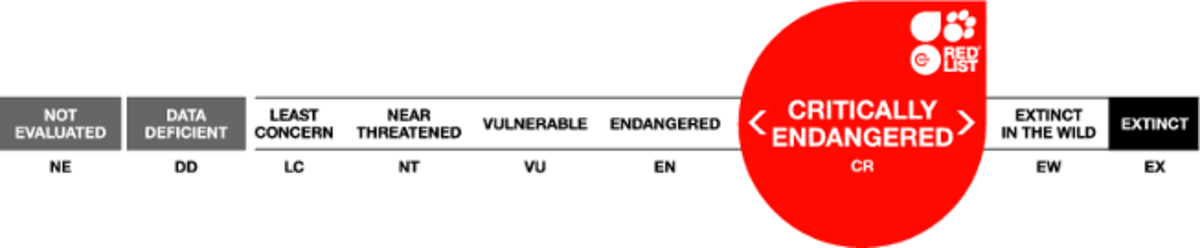
Critically Endangered species are those that face an extremely high risk of extinction in the wild. They are often characterized by a significant decline in population size, restricted geographical range, and ongoing habitat loss or degradation. These species are on the brink of disappearing forever unless immediate conservation efforts are initiated. The Red Data Book provides detailed information on these critically engaged species, helping to prioritize conservation actions and raise awareness about their plight.
The RED DATA LIST
IUCN Red List is a critical indicator of the health of the world’s biodiversity. Far more than a list of species and their status, it is a powerful tool to inform and catalyse action for biodiversity conservation and policy change, critical to protecting the natural resources we need to survive. It provides information about range, population size, habitat and ecology, use and/or trade, threats, and conservation actions that will help inform necessary conservation decisions.
The IUCN Red List is used by government agencies, wildlife departments, conservation-related non-governmental organisations (NGOs), natural resource planners, educational organisations, students, and the business community. The Red List process has become a massive enterprise involving the IUCN Biodiversity Assessment and Knowledge Team staff, partner organisations and experts in the IUCN Species Survival Commission and partner networks who compile the species information to make The IUCN Red List the indispensable product it is today.
To date, many species groups including mammals, amphibians, birds, freshwater fishes, reef building corals and trees have been comprehensively assessed. As well as assessing newly recognized species, the IUCN Red List also re-assesses the status of some existing species, sometimes with positive stories to tell. For example, good news such as the downlisting (i.e. improvement) of a number of species on the IUCN Red List categories scale, due to conservation efforts. The bad news, however, is that biodiversity is declining. Currently, there are more than 169,000 species on The IUCN Red List, with more than 47,000 species threatened with extinction, including 44% of reef building corals, 41% of amphibians, 38% of trees, 37% of sharks and rays, 34% of conifers, 26% of mammals, 26% of freshwater fishes and 12% of birds.