

HOW WE DO IT……
The first phase of this project is to create a genetically-viable founder breeding population of 32 unrelated vultures. The challenge, however, is that historically there have been no captive individuals of the species to breed with.
The only vulture in the world to practice a breeding behaviour called ‘cainism’, Bearded vultures normally two eggs, but only raise a single chick. The older sibling out-competes the younger on the nest platform within days of hatching. This phenomenon gives us opportunity to utilize the ‘biologically redundant’ egg by carefully harvesting identified breeding nests with limited effect on the overall productivity of the wild population.
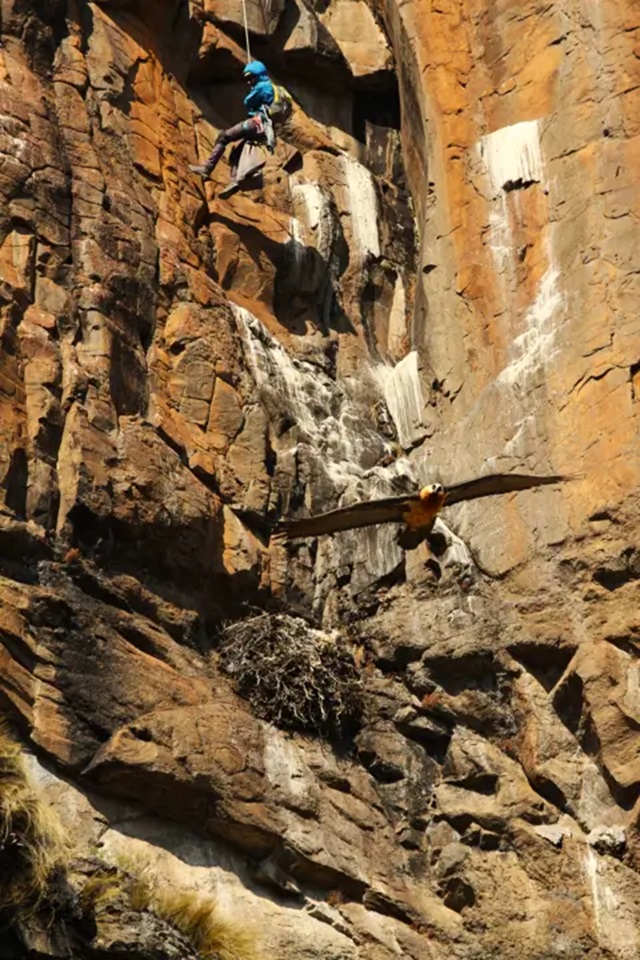
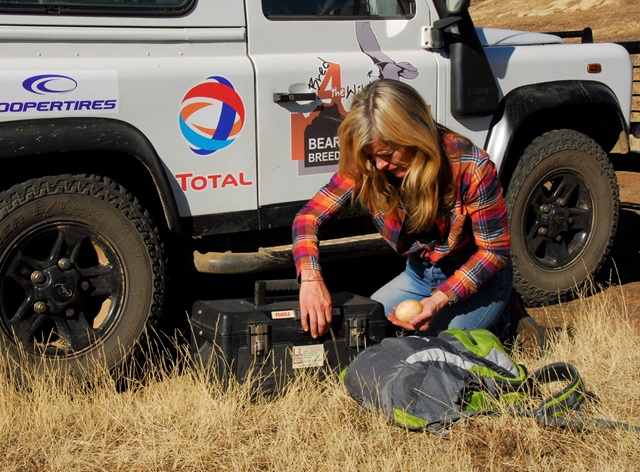
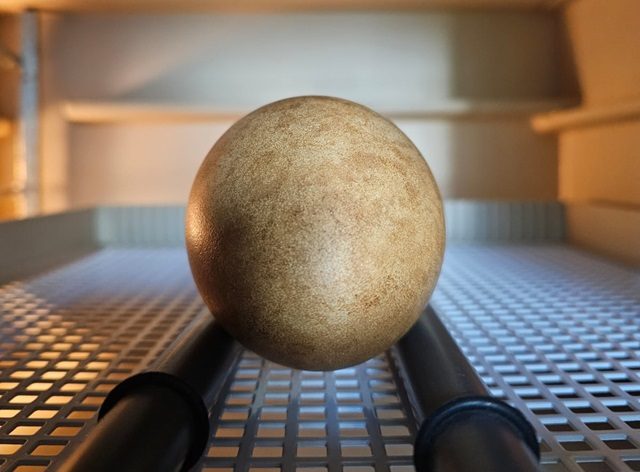
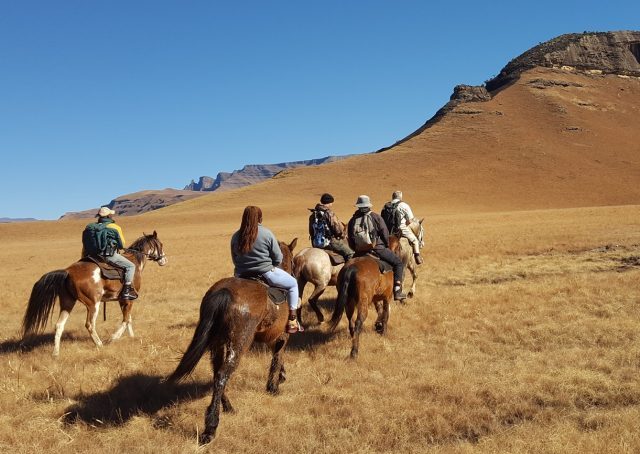
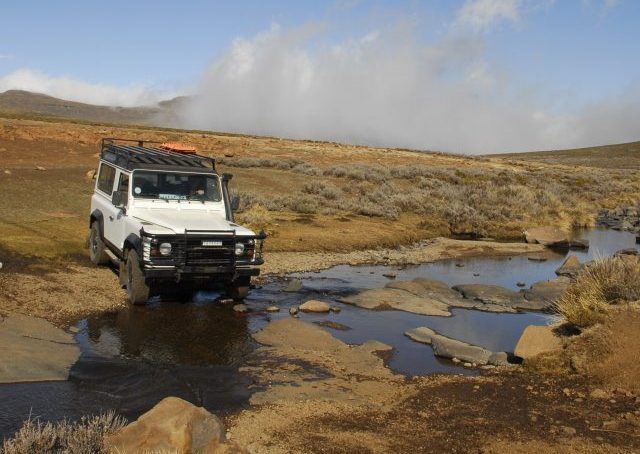
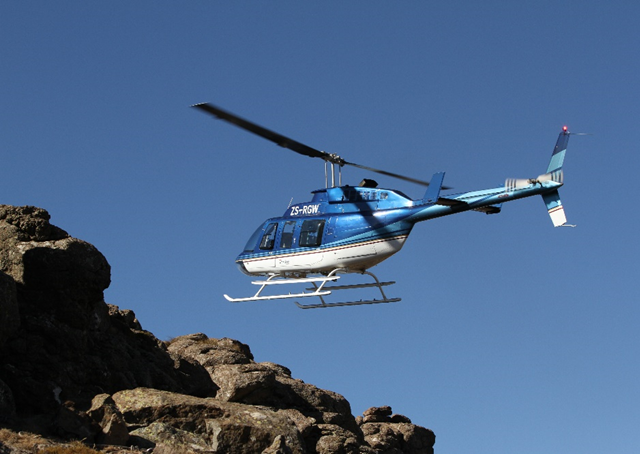
The two-week egg harvesting window-period occurs just once a year in the middle of winter during the last quarter of the incubation period. Harvest logistics require the pooling of specialized skills and resources from both the people of Lesotho and South Africa. Isolated nests are accessed over extremely rough terrain using 4×4 vehicles and helicopters, frequently covering the last couple of kilometres on foot or horseback. The nest platform is at the end of an abseil drop of up to 100m and here the climber collects nest platform data and places an egg in a heated canister. Ascending to cliff-top the egg is transferred to a portable incubator, and the precious cargo is then transported back to home base, as quickly as possible by land or air.
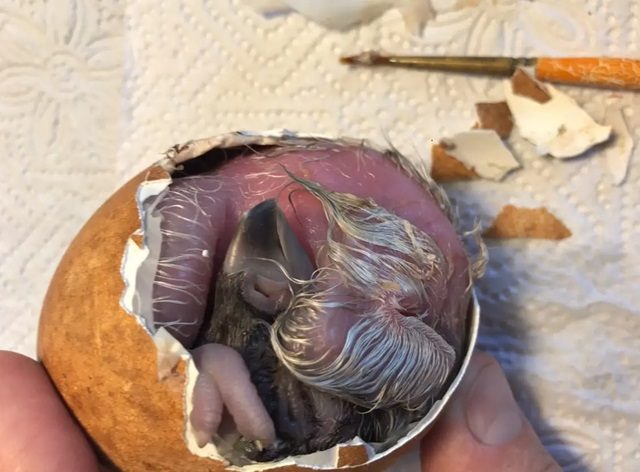
To avoid imprinting and ensure that the youngsters grow up behaviourally sound, the chicks hatch in incubators and are puppet-raised with visual exposure to each other. They can thermoregulate at 20 days and around this time they are transferred outside to nest potholes in a rearing enclosure. Visual exposure through protective barriers gives the growing birds interaction with a live ‘surrogate parent’ further lessening the chance of imprinting till they fledge at 120 days.